


There are sequels that arrive with a nervous energy, as if they know the audience is checking to see whether lightning can strike twice. Zootopia 2 sidesteps that trap with something much more satisfying: confidence. It understands that the first film did not become beloved merely because it was clever or colorful, but because it gave its world moral weight, comic timing, and a surprisingly sharp sense of how large systems shape personal lives. This follow-up does not try to outdo the original b...
Zootopia 2 Review: A Witty, Visually Rich Sequel That Expands the City’s Heart
There are sequels that arrive with a nervous energy, as if they know the audience is checking to see whether lightning can strike twice. Zootopia 2 sidesteps that trap with something much more satisfying: confidence. It understands that the first film did not become beloved merely because it was clever or colorful, but because it gave its world moral weight, comic timing, and a surprisingly sharp sense of how large systems shape personal lives. This follow-up does not try to outdo the original by growing bigger in the loudest possible way. Instead, it widens the emotional lens, letting the city breathe while keeping the jokes brisk and the mystery propulsive.
What struck me first, as someone who has watched a great many animated franchises stumble under the pressure of expectation, is how assured the film feels in its pacing. The opening stretch wastes no time reminding us why Zootopia remains such a fertile setting. The architecture still feels alive, the neighborhoods still suggest an entire civilization just beyond the frame, and the film’s animators continue to treat animal behavior as a springboard for personality rather than a gimmick. That balance between visual invention and character study is crucial. Without it, the movie would merely be a bright exercise in worldbuilding. With it, the city becomes a social organism, full of ambition, friction, and comedy.
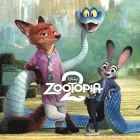
The central relationship remains the greatest asset. Judy Hopps is still one of contemporary animation’s most appealing protagonists because she is defined by determination rather than perfection. Her optimism is never passive; it is work. Nick Wilde, meanwhile, continues to be the sly counterweight whose wit masks deep reserves of loyalty. The sequel gives them material that feels designed for a more mature audience without becoming self-serious. They bicker with the familiarity of partners who have already earned the right to irritate one another, and the film mines that dynamic for both laughs and genuine tenderness. The best scenes are not the loudest set pieces, but the exchanges where their differences reveal what each has learned, and what each still resists learning.
There is also a noticeable increase in confidence around the supporting ensemble. A sequel like this succeeds when it knows that good secondary characters are not filler; they are a way of making the world feel inhabited. Here, familiar faces return with sharpened timing, while new arrivals expand the film’s comic palette. One of the pleasures of the screenplay is that it does not over-explain these additions. It trusts viewers to read behavior, accents, posture, and pacing as character information. That approach feels refreshingly adult for a family film. Children will enjoy the slapstick and the animal-specific gags, while older viewers will likely appreciate the screenplay’s light but pointed commentary on institutions, media narratives, and the uneasy business of public trust.
If the original Zootopia worked as a genre remix with the grammar of a police procedural, Zootopia 2 leans a bit more into conspiracy and civic intrigue. That shift gives the movie a different texture. It is less about the shock of prejudice becoming visible and more about the machinery of reputation, policy, and perception. The film asks what happens after a city has already learned a difficult lesson. Does progress become durable, or does it merely become a slogan? That is not a question many animated sequels dare to ask, at least not with such lightness of touch. The writing remains affectionate, but it is not naive. It recognizes that social harmony can be brittle, and that institutions often lag behind the people who depend on them.
Visually, the film is a feast, though not in a way that feels automatically impressive. The artistry here is in specificity. Different districts of the city have distinct rhythms and environmental details, and the camera moves through them with a confidence that suggests a production team obsessed with continuity. Fur textures, lighting gradients, reflections in glass, the choreography of crowd movement, and the varying scale of animals sharing the same street all contribute to a living illusion. Perhaps most importantly, the film knows when to hold back. It does not flood every shot with activity. Some of its strongest moments let a face register, or a skyline settle, before the next cascade of motion arrives.
The humor is equally disciplined. Instead of relying on a nonstop barrage of references, the movie builds gags from character logic. A joke lands because a sheep is anxious in a particular way, or because a hippo’s sincerity undercuts a scheme, or because predators and prey alike have learned to weaponize civility. That is the kind of writing that rewards repeat watchings. But the movie is never smug about its intelligence. It retains a broad accessibility, which is one reason it should play so well for families looking to stream or download it later on the major platforms once availability widens. The rhythms are clean, the emotional beats are easy to follow, and the themes are legible without becoming blunt.
One of the film’s quiet achievements is how it handles danger without turning harsh. Parents often worry about the age rating in animated sequels, but this one appears calibrated carefully for a PG audience: exciting enough to generate suspense, gentle enough to remain welcoming. There are moments of peril and emotional strain, yet the film avoids the kind of intensity that would overwhelm younger viewers. That is no small feat. It means that the movie can function as a shared watch experience, the sort families can enjoy in theaters now and then revisit later through legal online viewing options, whether on subscription services or through purchase-based platforms.
I should also praise the voice performances, which carry an enormous share of the film’s tonal balance. Animation depends on actors who can make ostensibly simple line readings feel layered, and this cast understands how to project irony, warmth, and desperation without crowding the frame. The leads are particularly effective because they know when to lean into comedy and when to let silence do the work. In a story like this, a pause can imply doubt, affection, annoyance, or fear. The performers use those pauses elegantly, and the film benefits from that restraint.
What may surprise viewers expecting a routine sequel is that Zootopia 2 has a bit of mournful intelligence beneath its cheer. Not sadness exactly, but awareness. The world has changed since the first movie, and the film allows that change to matter. It is interested in the burden of being a symbol, the fragility of public memory, and the way even idealistic societies can automate their own blind spots. Those ideas could have made the film heavy. Instead, they give it shape. The movie feels like the work of storytellers who trust children to handle complexity and trust adults to rediscover wonder without embarrassment.
If I have one reservation, it is that the movie occasionally feels the pressure of being a franchise chapter rather than a wholly self-contained story. A few setups seem designed to sustain future installments, and one can sense a mild strategic caution in the third-act architecture. Still, that is a minor issue compared with the film’s overall accomplishment. It is rare for a sequel to preserve the spirit of the original while finding enough fresh emotional territory to justify its existence. This one does. It is funny, carefully made, thematically alert, and visually rich. Most of all, it remembers that audiences do not come to animation simply for spectacle. They come for personality, wit, feeling, and a world worth returning to.
How to watch Zootopia 2 online
Availability & Access: At the moment, availability can vary by region and release window. If it is in theaters locally, it may not yet be free to watch online. Once it reaches digital release, you should be able to stream or download it through paid services, with some platforms offering offline viewing through their apps. Avoid unblocked or unofficial sites, as those often host low-quality or unauthorized copies.
Age Rating (US-based): PG — parental guidance suggested for some material that may not be suitable for younger children.
Streaming Platforms: Netflix availability is typically tied to licensing, so check for current listing status; if it appears, offline download usually depends on the app and plan. Amazon Prime Video often offers rent or purchase options, sometimes alongside a trial for eligible users, with offline access in the app after purchase. Apple TV generally provides high-quality rent or buy access and supports downloads for offline viewing. Peacock may offer some titles on premium tiers, while free access depends on current catalog rights; downloads are usually restricted to eligible paid plans. Hulu availability varies by license, and download options are limited to supported subscription tiers and devices. YouTube Movies usually lets viewers rent or buy, with downloads available through the YouTube app on compatible devices.
- Confident sequel that preserves the charm and moral depth of the original
- Strong central chemistry between Judy Hopps and Nick Wilde
- Sharp, character-driven humor that works for both kids and adults
- Rich visual worldbuilding with detailed districts and lively animation
- Thoughtful themes about institutions, public trust, and social progress
- Supportive voice performances that add warmth, timing, and emotional texture
- Balanced tone that offers suspense without becoming too intense for family audiences
- Some story beats feel like setup for future installments rather than fully self-contained payoffs
- Third-act structure shows occasional franchise caution
- A few supporting additions do not get enough development to stand out fully